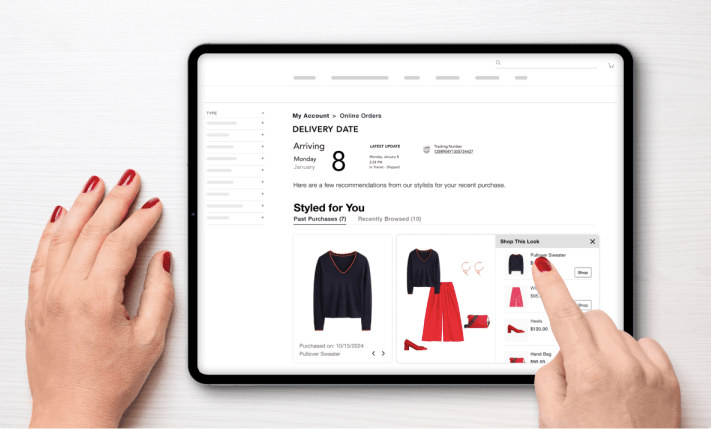
Personalization in e-commerce centers on tailoring the shopping journey through data-driven insights. It combines browsing history, past purchases, explicit preferences, and contextual signals to surface relevant content and smarter recommendations. The approach unifies cross-device activity and seasonality to anticipate needs while minimizing friction. But it must balance consent, transparency, and data minimization to avoid intrusion. When designed responsibly, personalized experiences can build trust and ROI; the next step is determining how to implement these practices at scale.
What Personalization in E-Commerce Really Is
Personalization in e-commerce refers to tailoring the shopping experience to individual customers by using data such as browsing history, past purchases, and contextual signals.
The practice translates into targeted content, smarter recommendations, and timely offers that respect user intent while empowering choice.
This approach hinges on personalization ethics and robust data governance to sustain trust, consent, transparency, and accountable data usage.
How Data Shapes Personal Recommendation Engines
Data shapes how recommendations are generated by combining behavioral signals, explicit preferences, and contextual cues to map shopper intent to relevant products. By aggregating activity across sessions, platforms extract patterns that foresee needs, optimize relevance, and reduce search friction. Seasonal signals refine timing, while cross device tracking unifies journeys, ensuring consistent, responsive experiences that empower customers with more personalized, trusted choices.
Designing Personalization That Feels Helpful, Not Creepy
Designing personalization that feels helpful rather than intrusive hinges on balancing insight with consent, ensuring relevance without overreach.
Data-driven analysis informs cautious customization, aligning with customer aspirations for freedom.
Strategy centers on transparent signals, opt-in choices, and respect for boundaries.
Tailored color palettes and product storytelling translate insights into meaningful experiences, avoiding overreach while sustaining trust and long-term engagement.
Measuring Impact and Navigating Privacy and Ethics
Measuring impact and navigating privacy and ethics require a structured, metrics-driven approach that links personalization outcomes to business goals while safeguarding customer trust. The analysis emphasizes measurable ROI, customer satisfaction, and retention, aligned with ethical standards. Privacy tradeoffs are evaluated transparently, while consent mechanics are streamlined. Decisions prioritize freedom to choose, data minimization, and responsible experimentation, balancing innovation with consumer autonomy and long-term brand integrity.
Frequently Asked Questions
How Do Recommendations Handle New or Cold-Start Products?
New product cold start is mitigated by leveraging item embeddings and freshness signals; recommendations adapt as initial interactions accumulate. The approach balances data-driven insights with customer-centric strategies, delivering freedom to explore while gradually improving relevance through continual learning and feedback.
Can Personalization Suggestions Respect Seasonal Buying Patterns?
42% of shoppers respond to seasonality cues, indicating seasonal signals can guide personalization ethics and preserve consumer trust. Personalization suggestions respect seasonal signals, balancing data, transparency, and user autonomy, delivering strategic, customer-centric experiences that empower freedom while remaining data-driven.
Do Customers Want to Opt Out of Personalization Entirely?
Yes, customers generally want to opt out of personalization. The data shows demand for opt out preferences and robust privacy controls, reinforcing a customer-centric, strategic approach that respects freedom while preserving meaningful commerce insights.
How Does Cross-Channel Data Affect Recommendation Quality?
Cross channel data improves recommendation quality by aggregating signals across devices and touchpoints, yielding richer user profiles. This data enhances relevance, supports consistency, and empowers strategy; however, privacy concerns and opt-outs must be balanced to preserve customer trust and freedom.
See also: Performance Optimization Tools
What Are Practical Budget-Friendly Personalization Tactics for SMBS?
Budget friendly tactics for SMBs include lightweight segmentation, email automation, and on-site personalized banners. SMB personalization benefits from simple A/B testing, feedback loops, and cross-channel consistency, delivering data-driven, customer-centric experiences that empower teams seeking strategic freedom.
Conclusion
Personalization in e-commerce is most credible when data-driven insights align with explicit consent and clear value. The theory that tailored experiences reduce search friction and increase satisfaction holds true, provided signals are transparent and minimization is prioritized. A customer-centric strategy shows measurable ROI through timely offers and relevant storytelling, while ethical governance safeguards trust. Visually, one could depict a feedback loop: data inputs → responsible personalization → improved outcomes → reinforced consent. The result is sustainable growth grounded in trust and clarity.


 By
By