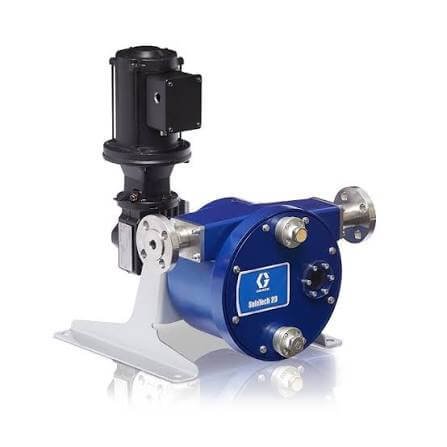
Among the various pump technologies available for demanding industrial fluid transfer applications, hose pumps occupy a particular niche suited to handling viscous, abrasive, or otherwise challenging fluid characteristics that would quickly degrade or damage other pump mechanism types, making them a preferred solution across specific heavy-duty industrial application categories.
Why Certain Industrial Fluids Demand Hose Pump Technology
Applications involving fluids with high solids content, significant viscosity, or abrasive characteristics, common across mining slurry handling, sludge transfer in wastewater treatment, and certain chemical processing applications, often prove genuinely difficult for standard centrifugal or other conventional pump types to handle reliably over extended operation, making the robust hose-based compression mechanism of hose pump technology a particularly well-suited alternative for these demanding fluid handling scenarios.
Engineering Robustness for Heavy-Duty Applications
Industrial peristaltic hose pumps require substantial engineering robustness throughout the pump mechanism, including reinforced roller and compression systems capable of generating the mechanical force needed to compress thick-walled industrial hose material, along with structural components engineered to withstand the sustained mechanical stress that continuous heavy-duty operation places on the entire pump assembly.
Hose Material Selection for Demanding Fluid Compatibility
Selecting appropriate hose material represents a critical engineering decision for industrial hose pump applications, since the hose needs to maintain compression elasticity and structural integrity despite prolonged exposure to potentially abrasive or chemically aggressive fluid characteristics, making hose material compatibility verification an essential step in successfully deploying hose pump technology for specific demanding industrial fluid types.
Advantages Over Alternative Pump Technologies for Slurry Handling
Compared to alternative pump technologies that might handle challenging industrial fluids through direct mechanical contact with pump components, hose pump technology’s fundamental design, where fluid only contacts the interior hose surface rather than pump mechanism components directly, provides genuine wear advantages for abrasive slurry applications, since the replaceable hose absorbs wear that would otherwise damage more expensive pump mechanism components in alternative pump designs.
See also: Choosing a Pedicure Chair: A Foundational Guide for New Salon Owners
Maintenance Planning for Continuous Heavy-Duty Operation
Given the demanding nature of typical industrial hose pump applications, establishing proactive maintenance planning around hose replacement intervals, informed by actual wear monitoring rather than purely calendar-based scheduling, helps optimize the balance between avoiding unexpected hose failure during operation and unnecessarily replacing hose material still within its useful service life.
Sizing Considerations for Industrial Flow Requirements
Industrial hose pump applications often require careful sizing consideration to match pump capacity appropriately to actual process flow requirements, since undersized pumps may struggle to meet required throughput while oversized pumps introduce unnecessary capital cost and potentially less efficient operation relative to actual process needs.
Evaluating Manufacturers for Demanding Slurry and Sludge Applications
Buyers sourcing industrial hose pumps for particularly demanding applications, such as abrasive slurry handling, should specifically evaluate manufacturer experience and documented performance data for comparable demanding fluid handling scenarios, rather than assuming general industrial pump manufacturing experience automatically extends to reliable performance in these especially challenging application contexts.
Conclusion
Industrial peristaltic hose pumps provide a robust, purpose-built solution for demanding fluid transfer applications involving viscous, abrasive, or otherwise challenging fluid characteristics common across mining, wastewater treatment, and industrial processing sectors. Careful attention to hose material selection, sizing, and manufacturer experience with comparable demanding applications supports reliable long-term performance in these heavy-duty use cases.
FAQs
Q1: What fluid characteristics make hose pump technology particularly suitable? High solids content, significant viscosity, or abrasive characteristics common in mining slurry, wastewater sludge, and certain chemical processing applications suit hose pump technology’s robust design.
Q2: How does hose pump technology reduce wear on expensive pump components? Since fluid only contacts the interior hose surface rather than pump mechanism components directly, the replaceable hose absorbs wear that would otherwise damage more expensive pump components in alternative designs.
Q3: How should hose replacement intervals be determined for industrial applications? Proactive maintenance planning informed by actual wear monitoring, rather than purely calendar-based scheduling, helps balance avoiding unexpected failure against unnecessary premature replacement.


 By
By