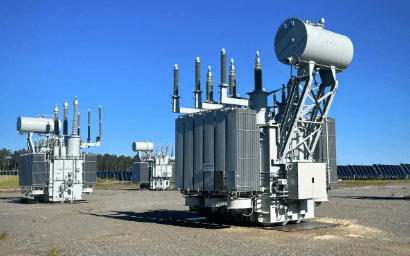
As electrical networks grow more complex—driven by urbanization, industrial expansion, and renewable energy integration—the need for reliable, safe, and efficient grounding solutions has never been greater. Among the various options available, the zigzag transformer has emerged as a preferred choice for engineers and system designers worldwide.
Known for its compact structure, cost-effectiveness, and excellent grounding capabilities, the zig zag grounding transformer plays a critical role in stabilizing power systems and ensuring fault protection. This article explores why this design is widely adopted in modern electrical networks and how it outperforms traditional grounding methods.
Understanding the Zigzag Transformer Design
A zigzag transformer is a specialized transformer primarily used for grounding purposes rather than power transfer. Its unique winding configuration distinguishes it from conventional transformers.
How the Design Works
In a zigzag transformer:
- Each phase winding is split into two equal halves
- These halves are connected to different phases in a zigzag pattern
- The configuration creates a neutral point without requiring a secondary winding
Under normal operating conditions, the currents in the windings cancel each other out, resulting in minimal losses. However, during a ground fault, the transformer allows zero-sequence currents to flow, providing a path to ground.
This dual functionality—minimal impact during normal operation and active participation during faults—is what makes the zigzag design so efficient.
The Growing Need for Advanced Grounding Solutions
Modern electrical systems face several challenges:
- Increased load demand
- Integration of renewable energy sources
- Complex distribution networks
- Higher expectations for reliability and safety
Many of these systems operate without a natural neutral point, especially delta-connected networks. Without proper grounding, these systems are vulnerable to:
- Voltage imbalance
- Undetected ground faults
- Equipment damage
- Safety hazards
The zig zag grounding transformer addresses these challenges by providing a reliable and efficient grounding solution.
Compact Size: A Key Advantage
One of the most notable benefits of a zigzag transformer is its compact design.
Space Optimization
Compared to other grounding solutions, such as grounding banks or larger transformer configurations, zigzag transformers:
- Require less physical space
- Are easier to install in confined environments
- Fit well in modern substations and industrial setups
This is particularly important in urban infrastructure and industrial facilities where space is limited and costly.
Simplified Construction
The absence of a secondary winding reduces the overall size and complexity of the transformer. This streamlined design not only saves space but also simplifies manufacturing and installation.
Cost-Effectiveness in Installation and Operation
Cost is always a critical factor in electrical system design. The zigzag transformer offers significant economic advantages.
Lower Initial Investment
Due to its simplified design:
- Fewer materials are required
- Manufacturing costs are reduced
- Installation is quicker and less labor-intensive
Reduced Maintenance Costs
Zigzag transformers are known for their durability and reliability. Their design minimizes wear and tear, resulting in:
- Lower maintenance requirements
- Reduced downtime
- Longer service life
Energy Efficiency
Because the transformer carries minimal current under normal conditions, energy losses are kept low. This contributes to overall system efficiency and cost savings over time.
Superior Grounding Performance
The primary reason for the widespread use of zigzag transformers is their exceptional grounding performance.
Effective Neutral Point Creation
In systems without a natural neutral, the zigzag transformer creates an artificial neutral point. This enables:
- Proper grounding of the system
- Stable phase-to-ground voltage
- Improved safety and reliability
Efficient Fault Current Handling
During a ground fault:
- Zero-sequence currents flow through the transformer
- A controlled path to ground is established
- Protective devices can detect and isolate the fault
This ensures that faults are managed quickly and effectively, reducing the risk of damage.
See also: Personalized Learning Through Tech
Voltage Stability and System Reliability
Voltage stability is essential for maintaining the health of electrical systems. The zigzag transformer plays a crucial role in this area.
Preventing Overvoltage
In ungrounded systems, a single line-to-ground fault can cause voltage in the remaining phases to rise significantly. The zigzag transformer:
- Stabilizes phase voltages
- Prevents dangerous overvoltage conditions
- Protects insulation and equipment
Maintaining Balance
The unique winding configuration helps maintain balanced voltages across all phases, ensuring consistent performance and reducing stress on system components.
Enhanced Fault Detection and Protection
A major advantage of zigzag transformers is their ability to improve fault detection.
Enabling Protective Devices
By allowing measurable fault currents to flow, the transformer ensures that:
- Relays can detect faults accurately
- Circuit breakers can operate effectively
- Faults are cleared بسرعة
Minimizing System Disruption
Quick fault detection and isolation:
- Prevents cascading failures
- Limits damage to affected areas
- Maintains continuity in the rest of the system
Versatility Across Applications
The zigzag transformer is highly versatile and can be used in various sectors.
Industrial Power Systems
Factories and manufacturing plants rely on zigzag transformers for safe grounding in delta-connected systems.
Renewable Energy Installations
Solar and wind farms use these transformers to ensure proper grounding and fault protection in inverter-based systems.
Utility Networks
Power distribution systems benefit from improved stability and reliability provided by zigzag transformers.
Commercial Infrastructure
Data centers, hospitals, and office buildings use zigzag transformers to protect sensitive equipment and maintain power quality.
Comparison with Other Grounding Methods
While there are multiple grounding methods available, the zigzag transformer offers unique advantages.
Versus Solid Grounding
- Solid grounding requires a neutral point, which may not be available
- Zigzag transformers create a neutral, making grounding possible
Versus Resistance Grounding
- Resistance grounding limits fault current but requires additional components
- Zigzag transformers can be combined with resistors for enhanced performance
Versus Grounding Delta Transformer
- Grounding delta transformers are larger and less efficient
- Zigzag transformers are more compact and cost-effective
Environmental and Operational Benefits
Modern electrical systems must also consider environmental and operational efficiency.
Reduced Material Usage
The compact design uses fewer materials, contributing to sustainability.
Lower Energy Losses
Minimal current flow during normal operation reduces energy waste.
Quiet Operation
Zigzag transformers typically produce less noise compared to larger transformer configurations.
Integration with Modern Technologies
As electrical networks evolve, zigzag transformers are adapting to new technologies.
Smart Grid Compatibility
They can be integrated with monitoring systems for real-time performance tracking.
Renewable Energy Support
Their ability to stabilize voltage makes them ideal for variable energy sources like solar and wind.
Advanced Protection Systems
They work seamlessly with digital relays and automated protection mechanisms.
Key Considerations for Implementation
While zigzag transformers offer numerous benefits, proper selection and installation are essential.
- Voltage rating: Must match system requirements
- Fault current capacity: Should handle expected fault levels
- Grounding resistor integration: May be required for current limitation
- Installation environment: Indoor or outdoor conditions must be considered
Careful planning ensures optimal performance and long-term reliability.
The Future of Zigzag Transformers
The demand for efficient grounding solutions is expected to grow as power systems become more complex. Future developments in zigzag transformer design may include:
- Enhanced thermal performance
- Improved compactness
- Integration with IoT-based monitoring systems
- Greater efficiency and reduced losses
These advancements will further solidify the position of zigzag transformers in modern electrical networks.
Conclusion
The zigzag transformer has become a cornerstone of modern electrical system design due to its unique combination of efficiency, reliability, and cost-effectiveness. Its compact size makes it ideal for space-constrained environments, while its superior grounding performance ensures safety and stability in even the most demanding applications.
By creating a neutral point, enabling controlled fault current flow, and maintaining voltage balance, the zig zag grounding transformer addresses some of the most critical challenges in power systems. Its ability to integrate seamlessly with modern technologies and adapt to evolving energy needs further enhances its value.
In a world where electrical infrastructure must be both resilient and efficient, the zigzag transformer stands out as a smart, practical, and future-ready solution.


 By
By